
10 Things to Do in Srinagar Beyond a Shikara Ride
Old wooden buildings, terraced gardens, bakeries, hillside views and a few places you probably skipped on your last search.
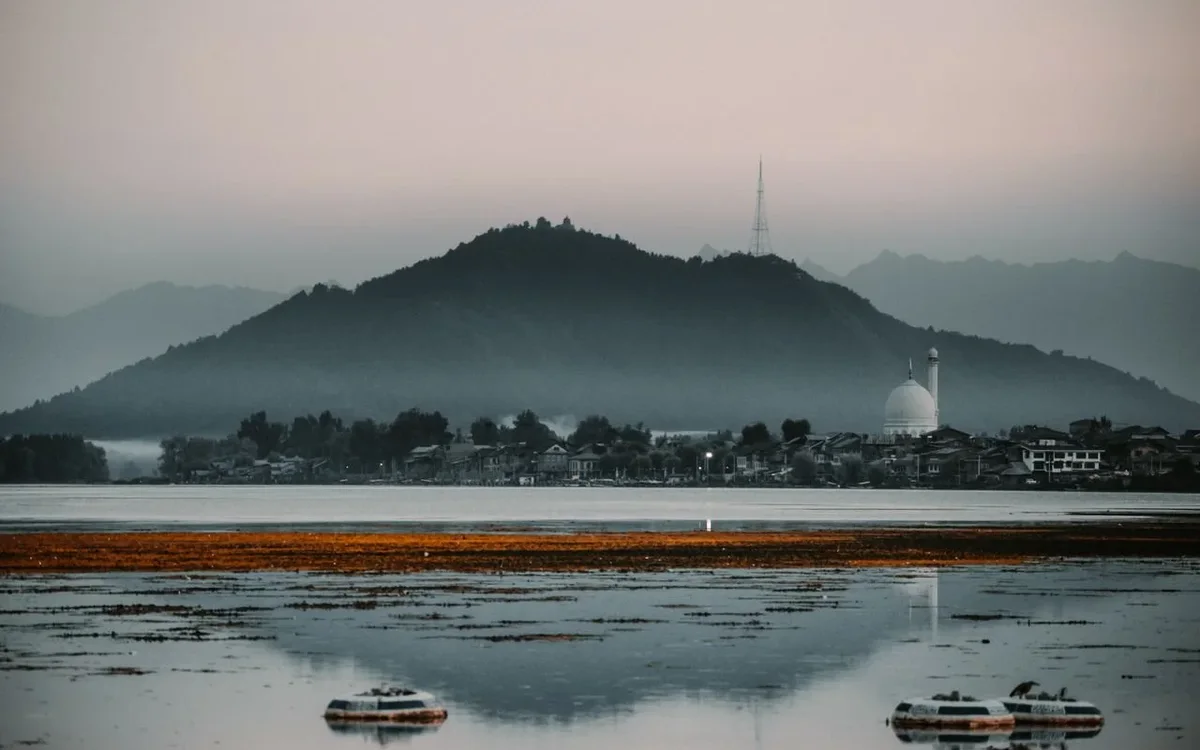
A shikara ride is lovely. It's also the first thing everybody suggests when you mention Srinagar, usually the first stop on a Kashmir trip. The city deserves a longer answer. There are Mughal gardens with actual stories behind them, residential streets full of wooden architecture, bakeries where breakfast starts early, and a hilltop viewpoint that makes you understand the shape of the lake.
Here are ten things I would put on a Srinagar list before trying to squeeze in another boat ride. Some take half an hour. Others are much better with a whole morning and no hurry.
The gardens, hills and lakes
1. Look over the city from Pari Mahal
Pari Mahal is a seven-terraced garden above Dal Lake. From the upper levels, the city and water spread out beneath you. The story is good too: it is linked to Mughal prince Dara Shikoh and was used as a place of learning and study in the seventeenth century. The district website notes its historical association with astronomy.
The terraces are exposed, so bring water and consider the light rather than arriving at the hottest part of the day. It is a place to walk around and look down at the city, not to rush through for one photograph. If you're pairing it with another garden, Chashma Shahi is nearby.
2. Visit Nishat Bagh and actually notice the terraces
Nishat is often reduced to a flower photograph, which misses the design. It sits on the eastern side of Dal Lake, and its stepped levels create a series of views towards the water. The government district page dates the garden to 1633 and credits its construction to Asif Khan. It is a great stop when the fountains are running and the trees are in leaf, but the lines of the terraces are interesting at other times too.
Walk from one level to the next instead of standing only at the entrance. The changing view is the clever part of the garden.
3. Compare it with Shalimar Bagh
Shalimar is bigger and more formal. Built under Jahangir in the early seventeenth century, it was designed around a long water axis and separate garden terraces. Look for the different levels and the black-marble pavilion area rather than treating it as another park with fountains. It's a reminder of how deliberately royal gardens were planned.
If you only have time for one garden, choose the one you can reach comfortably. If you enjoy architecture, seeing both Nishat and Shalimar makes the design differences much easier to appreciate.
4. Try a quieter lakeside hour at Nigeen Lake
You don't need to take another ride to enjoy the water. Nigeen has houseboats, trees and a calmer setting than the busiest Dal Lake ghats. It is especially pleasant if you like looking at boats from the shore rather than getting into one every time you see water.
Check public access points and respect private houseboat entrances. It's a working part of the city, with residents and boats operating around you. For a slower visit, take a book, find an appropriate place to sit and leave your afternoon open.
5. Catch spring at Badamwari
If you're in Srinagar around the almond blossom season, Badamwari deserves a look. This historic garden sits below the Hari Parbat hill in the old-city area. The district notes that it was revived and reopened to the public in 2008. Almond flowers are the draw, but timing depends on the weather and the year.
Don't build a non-refundable holiday around a social-media photograph of last year's blossom. Check local photos and seasonal updates before you go. In autumn, the city's chinar trees offer a completely different reason to get outside.
The old city and its everyday life
6. Spend time around Jamia Masjid
In Nowhatta, the mosque has a spacious courtyard and a distinctive timber-columned interior. The district tourism corporation notes the mosque's long history and wooden architectural character. The streets around it are worth seeing too, with shops, homes and the ordinary noise of a city going about its day.
This is an active place of worship. Be respectful about dress, photography and prayer times, and don't assume tourist access to every area. If you arrive when entry isn't appropriate, walking through the surrounding market streets can still be interesting.
7. See the woodwork at Khanqah-e-Moula
On the Jhelum, Khanqah-e-Moula is associated with the Sufi saint Mir Sayyid Ali Hamadani. Its timber architecture is striking, and the decorative craft connects directly with what you see in the old city's artisan workshops. The government tourism corporation describes the shrine's long history and rebuilding over several centuries.
Look at the details from places where visitors are permitted. A religious building isn't a film set, and permissions inside can be different from the rules for the courtyard or surrounding riverbank.
8. Buy warm bread from a kandur
The local bakery is one of Srinagar's best food experiences and one of the easiest. Ask your accommodation where the nearest working kandur is. Go early, buy fresh girda or lavasa and eat it while it's warm. You may see people collecting several breads at once, because this is part of a normal morning rather than a tourist snack.
If the shop is busy, wait your turn and keep photographs out of the baker's way. Follow the bread with noon chai, or try kahwa if you prefer something fragrant and less salty. Our food guide explains what to order.
9. Walk the shopping streets around Lal Chowk and Polo View
Lal Chowk is a central commercial area, while Polo View is known for shops selling handicrafts and Kashmiri products. Neither is a secret shopping lane, and that's fine. They are useful places to get a feel for the city, browse fabrics and compare quality before making a purchase.
For costly shawls or carpets, don't buy on the strength of a confident sales pitch. Ask for a proper invoice and certificate. The Srinagar district craft guide gives straightforward advice on authentic purchases, and our Kashmiri crafts guide explains the details.
10. Visit Shankaracharya Temple for its hilltop setting and history
The temple stands on a hill above the city and is an important place of Hindu worship. The approach and security arrangements can be stricter than at a regular garden, so arrive with identification and check current visitor rules. You may need to leave devices or bags in a designated area, depending on the instructions in force.
This is not a place to try to bend photography restrictions. Go for the experience, the hill and the view, and follow whatever instructions the site staff give on the day.
A better way to spend time in Srinagar
Pick three or four things you actually care about. Gardens and viewpoints fit one sort of mood. The old city, a bakery, shops and religious architecture fit another. There is no prize for doing all ten before lunch. Traffic, security checks and the hours of places of worship can interrupt even a simple plan.
One last suggestion: don't treat the old city as a shortcut between photo stops. A decent walk there gives you more of Srinagar's personality than half a dozen quick selfies beside the lake. Ask permission before photographing people and homes, buy from local businesses when it makes sense, and enjoy the city for what it is.