
9 Ways to Enjoy Kashmir in Winter Without Skiing
Snow gets the attention, but the food, city mornings and quieter experiences are good reasons to travel in the cold.
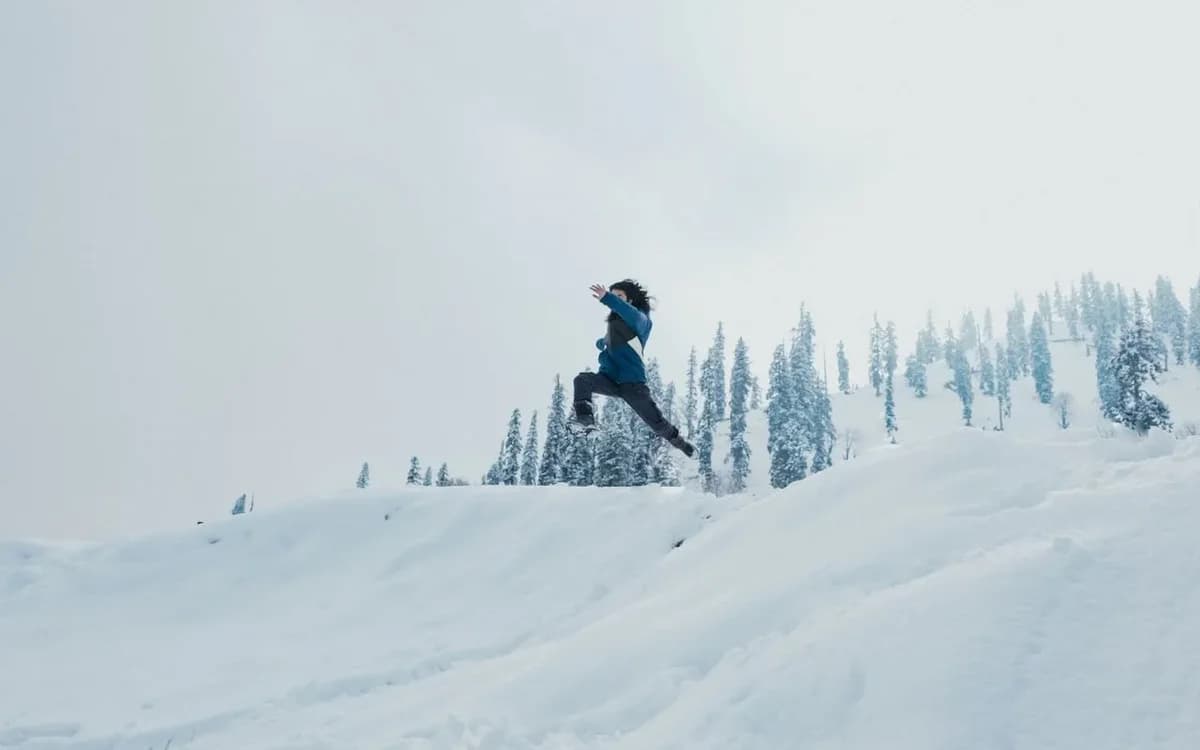
Winter Kashmir looks wonderful in photographs. The practical version involves cold feet, changing road conditions, and occasionally spending an afternoon indoors because the weather says so. That's not a bad holiday. It just helps to arrive with the right expectations.
You don't need to ski to enjoy the valley in winter. There are snowy mountain views when the roads are clear, quiet mornings around the lake, steaming breakfasts in the old city and workshops where you can learn something about the craft behind your new woollen shawl. Here are nine good reasons to go, along with the things I would check before spending money on bookings.
Make the most of the snow and mountains
1. See Gulmarg after snowfall
When the meadow turns white, Gulmarg looks like a different place. You can enjoy the view without committing to a ski lesson or paying for every activity offered near the parking area. A proper pair of waterproof boots and warm layers will do more for your day than another accessory rented in a hurry.
The road up from Tangmarg can require extra precautions when snow is heavy. Ask your transport operator about tyres, chains, local restrictions and where your vehicle is permitted. Avoid operators promising a particular snowfall date. Nobody controls the weather.
2. Ride the Gulmarg Gondola on a clear day
The cable car climbs above the resort, giving views that are hard to match from the road. Clear weather makes a huge difference, and a blue-sky day is worth checking for if your schedule is flexible. Higher ground is much colder, even when the base feels manageable. Take gloves and protection against sun reflecting off snow.
Use the official cable car portal for tickets and maintenance notices. As of November 2026 the corporation advertises closures on the second and fourth Mondays of each month, plus weather-dependent operation. Don't buy a non-refundable third-party package solely on a promise of a gondola ride.
3. Spend a winter afternoon by the Pahalgam river
Pahalgam is worth visiting for the Lidder River and the mountains around the town. In winter, the scene is quieter than on a busy summer day. You can enjoy a gentle walk where paths are open, sit somewhere warm for lunch and head back before it gets too late. Heavy snow changes road access and nearby sightseeing, so don't plan around a particular upstream attraction without checking.
Avoid websites still suggesting Baisaran and Chandanwari as routine winter stops. Both appear on the Anantnag district closure list dated July 2026. A lovely day by the river doesn't need those detours.
The warm-up stops in Srinagar
4. Find a proper harissa breakfast
Winter mornings are when harissa becomes part of the city. Mutton and rice are cooked for hours until the mixture is smooth and rich, then served hot with bread. It is the opposite of a light breakfast, and that is half the point. In old Srinagar, especially around Nawakadal, shops traditionally serve it early and sell out by mid-morning.
The PARI report on a local harissa maker is a good read before you go. Ask a local which shop is active now, check the morning hours, and arrive hungry. This is one of the few travel experiences where getting up early feels like a very good idea.
5. Pair noon chai with fresh bakery bread
A warm girda from a neighbourhood kandur and a cup of salty pink tea make sense when the day starts cold. Watch a baker working if the shop welcomes visitors, but buy something and don't crowd the workspace. Lavasa, girda, bakarkhani and small kulchas give you a lot to try across several mornings.
If you prefer something more fragrant, have kahwa with cardamom and cinnamon. Tourist cafes sometimes turn it into a very sweet drink; ask for less sugar if you want to notice the tea and spices.
6. Walk the Dal Lake road when the light is good
In winter, the lake can have pale morning light and clear mountain views, even when the surrounding trees are bare. Choose a safe public stretch along Dal Lake and watch the houseboats and everyday traffic on the water. You do not need to hire a boat every time you come here.
Do not plan to walk on a frozen lake. Whether ice forms at all, and whether it is safe, changes with conditions. A photograph of people standing on ice is not an invitation to copy them. A normal lakeside walk is plenty.
7. Book a houseboat for the atmosphere, not just the photograph
A wooden houseboat on Dal or Nigeen Lake can be a memorable stay, but winter makes practical questions essential. Ask exactly how the room is heated, whether electricity and hot water are reliable, how you reach the shore and what the cancellation policy says if weather interrupts travel. A lovely deck photograph will not keep you warm at 2 a.m.
Check independent, recent guest feedback and ask the host for current room photographs. If you are travelling with young children or someone sensitive to cold, a well-heated hotel may be the better choice. There is no need to prove anything by sleeping in a freezing room.
Winter shopping and culture
8. Learn how pashmina and embroidery are made
A cold afternoon is a good time to visit a recognised craft shop or arrange a workshop visit where artisans have agreed to receive guests. Kashmir has a remarkable textile tradition, including pashmina, kani weaving and fine Sozni embroidery. Watching the work, even briefly, makes the finished shawls easier to appreciate.
For a serious purchase, check the Craft Development Institute's certification portal and ask for documentation. A seller's demonstration with a ring or a flame isn't a substitute for a recognised label. Our shopping guide covers what to look for.
9. Explore the older architecture when sightseeing is possible
Srinagar has beautiful timber architecture around Khanqah-e-Moula and the streets near Jamia Masjid. Winter can be an interesting time to see details that are lost among summer greenery. Look up at balconies, carved wooden elements and old roofs, then duck into a cafe or bakery when you have had enough of the cold.
These are living neighbourhoods and religious sites. Respect prayer times and current security instructions. Snow and ice can make steps and narrow lanes slippery. Good shoes matter, and there is no reason to rush.
What to check before a winter trip
Roads: Snow can interrupt the Gulmarg road and other mountain routes. Gurez is particularly seasonal because of high-pass access. Avoid booking multiple remote destinations back to back with no flexibility.
Weather and opening: The gondola can close for wind or maintenance. Gardens and attractions may change opening hours. Don't assume all summer attractions are open in January.
Clothing: Bring thermal layers, insulated footwear, gloves, a warm hat and protection from sun and wind. Cold in the hills can feel harsher than the number on a weather app suggests.
Restrictions: Government tourism pages sometimes continue to describe places that are separately listed as closed by administrative order. Check the latest district notices before leaving your hotel. That extra five minutes can save a long, disappointing drive.
Winter works best when the plan is simple and the expectations are honest: one or two outdoor things, a warm place to eat, and time for the weather to make up its mind.