
Three Days Around Palolem and Agonda
Where to base yourself in Canacona, which beaches feel different, and how to visit the turtle-nesting coast responsibly.
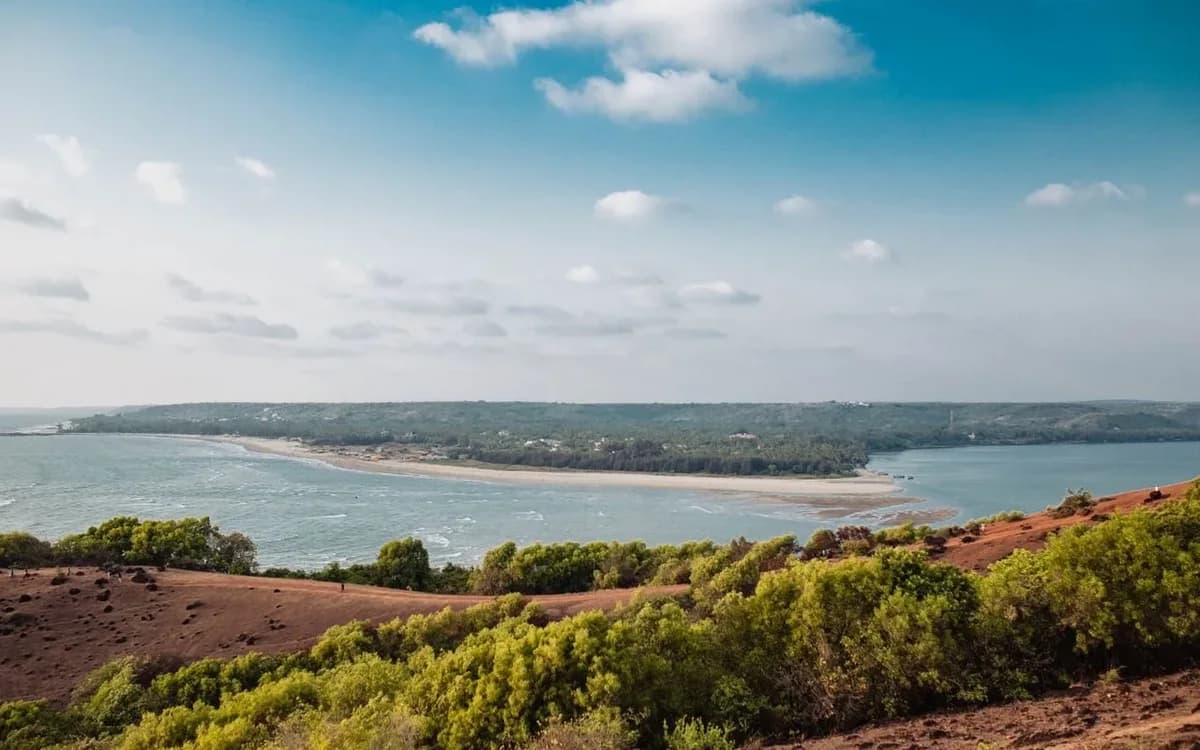
South Goa often gets described as quiet Goa. That is partly true, but it depends where your South Goa itinerary takes you. On a busy winter afternoon, Palolem Beach can be full of people choosing somewhere for lunch, buying sunglasses and heading out on boat trips. It is still a lovely beach. It just isn't a private island.
If you want more space, there are several genuinely different beaches within the Canacona area. Patnem Beach is easy-going, Agonda Beach feels open and spacious, and Galgibaga Beach is especially important because part of it is protected for nesting olive ridley turtles. You do not need to see all of them in a single day.
This three-day plan is for someone who wants a beach holiday with a little exploring, good food and enough free time to enjoy the place they paid to stay in.
Which beach should you stay near?
Palolem is the easiest choice if you like having restaurants and cafés within walking distance. The bay has a recognisable curve, with green hills at either end. The central area is popular, and accommodation can fill quickly during peak season. A stay advertised as being “at Palolem” may be up a lane or on the road behind the beach, so check the exact map pin.
Patnem is a good alternative when you want a smaller, more relaxed base but do not want to feel cut off. It is close to Palolem by road, though walking routes depend on where exactly you are staying. The main pleasure here is being able to have breakfast, read for a couple of hours and go for a walk without planning much of anything.
Agonda makes sense if you care more about the beach than the restaurant scene. It is a long stretch of sand that invites long walks, and its atmosphere is generally different from the busy central sections of Palolem. Goa's official tourism information warns against swimming too far out at Agonda. Do not assume the sea is safe because the beach looks calm.
If you are staying for just three nights, choose one base rather than dragging your luggage between all three. You can visit the others by road during the day.
Day 1: Spend the day at Palolem and Patnem
Arrive, check in and go to Palolem Beach without feeling the need to arrange anything elaborate. Walk the length of the beach if the weather allows. The quieter edges and the busier middle have noticeably different moods, so give yourself time to look around before choosing where to eat.
There are often boats operating from the beach. If you are considering a dolphin-watching trip, ask the operator about safety equipment and how they avoid chasing or crowding wildlife. A wildlife sighting is never guaranteed. Do not pay someone who promises that dolphins will definitely appear for a photograph.
For lunch, look at the menu rather than only the view. It is easy to end up paying for a very ordinary meal because the table happens to face the sea. Ask what fish is available, whether prices are per portion or weight, and what comes with the order. If you want a more Goan meal, fish curry rice is a sensible place to start.
Later, head to Patnem Beach for a different atmosphere. You can sit with a book, have a relaxed dinner or just walk by the shore. If you are staying in Palolem, arrange your return before it is dark rather than assuming there will be a taxi exactly when you want one.
Day 2: Agonda and Cabo de Rama, without rushing
Start the day at Agonda Beach. The beach is long enough for a proper walk, and the setting often feels less compressed than Palolem. Look for a quiet place for breakfast or coffee and make this the part of the day you do slowly.
You have a choice for the afternoon. Option one is to stay in Agonda, have lunch and return to your base. That is probably the best plan if you mostly came to Goa to rest.
Option two is to continue north towards Cabo de Rama Fort. Goa Tourism identifies this fort as one of the historic sites on the southern coast. The headland gives you big views, but this outing adds driving time and exposed walking, so it is best done when the weather is comfortable. Check access before setting out and take water. I would not combine it with a long swim or an extra beach stop just for the sake of filling the schedule.
If your idea of a good holiday is an afternoon spent staring at the sea, choose option one. The fort will still be there on another visit.
Day 3: Galgibaga and the far south
For a different kind of beach visit, go to Galgibaga Beach. It is farther south, near the Galgibag River, and the northern part is a protected olive ridley turtle-nesting area. This is one of the details that should change how you behave on the beach.
There is no guarantee you will see a turtle, and you should not go looking for nests. Keep clear of protected areas and follow posted instructions. Avoid flash photography and bright lights near nesting zones, do not leave rubbish, and do not approach any turtles or hatchlings you happen to encounter. The beach deserves attention as a protected habitat, not as a chance to collect unusual wildlife pictures.
You can consider a short stop at Rajbag Beach on the way, depending on where you start. Or skip the extra stop and make Galgibaga the one place you see properly. Its relatively undeveloped feel is part of the appeal; do not expect the same line of shacks and facilities you find at Palolem. Take water and be prepared to leave for a meal elsewhere.
Use the rest of the day for a final meal near your base. If you have only a few hours before travelling out of Goa, do not attempt this entire excursion. Choose Patnem or Palolem instead and leave with plenty of transfer time.
Can you swim at these beaches?
Not automatically. Goa's Tourism Development Corporation warns that sea conditions can change, that visitors should consult lifeguards, and that monsoon swimming is unsafe. Agonda Beach and Galgibaga Beach both have official tourism descriptions that specifically caution about the sea. Follow the local signs and lifeguard instructions rather than relying on what somebody did in a video last year.
For the same reason, do not schedule kayaking, boating or swimming as a guaranteed part of the trip. Operators, conditions and permissions change with the season. You will have a much better holiday if your plan works even when the ocean is not cooperating.
Getting here and getting around
Canacona Railway Station is the useful local station for the Palolem area, and Goa's government tourism information notes that Palolem is only a short distance from Canacona. You can also arrive by road from Margao, which is a major transport point farther north.
Within Canacona, taxis and local transport can get you between beaches. If you want to cover Agonda, Cabo de Rama and Galgibaga on separate outings, check the cost of a hired driver before travelling. Renting a scooter can be tempting, but only do so if you are licensed, comfortable with the roads and prepared to ride safely. Some of these journeys are longer than they look on a resort map.
For a trip that includes North Goa as well, read our first-time Goa itinerary. You will see why I prefer staying in the north and south separately instead of trying to commute between them each day.
The nicest thing about this part of Goa is how little you need to do. Pick your favourite stretch of sand, find somewhere good for lunch and give yourself permission to go back there tomorrow.