
How to Spend Three Days in North Goa
A realistic route from Candolim to Vagator, with market stops that depend on the day of the week.
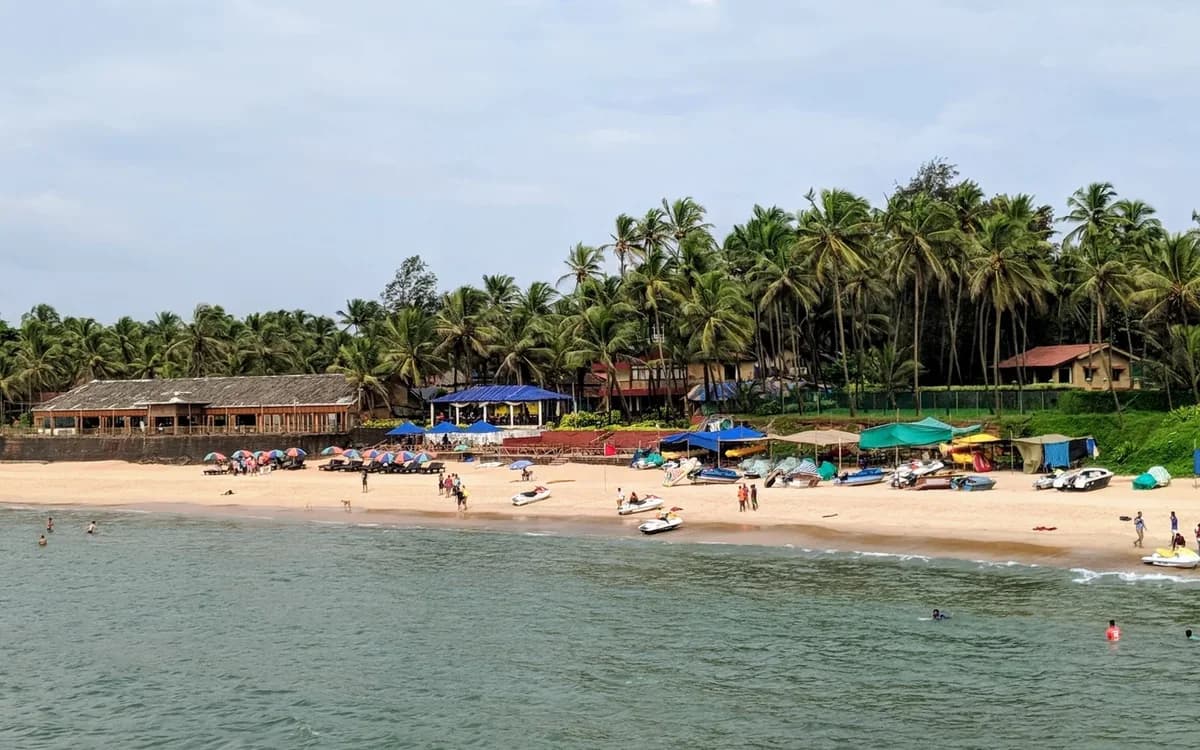
North Goa is the part most people have in mind when they book a first beach holiday: restaurants within walking distance, busy stretches of sand, shops selling sandals at midnight and plenty of people out enjoying themselves. All of that is real. So are the quieter lanes, old forts and market mornings that never seem to make it into the typical “ten best beaches” list. This North Goa itinerary makes room for both.
Three days is enough to enjoy the north without being in a taxi the whole time. The trick is not to travel up and down the coastline every afternoon. Stay in one area, group nearby places together and let the weather decide when to sit somewhere with a cold drink.
Where to stay for three nights
For an easy base, look around Candolim Beach or Sinquerim Beach. They work well if you want a mix of beach time, food and practical hotel choices. If you prefer being closer to the cafés and evening activity of Anjuna and Vagator, stay around Vagator Beach or Anjuna Beach instead.
I would check the exact hotel pin, not just the name of the town. A place listed as “near Vagator” might still mean arranging a ride for dinner. Equally, a hotel right by a main road is not the same as a quiet room by the sea. Read the recent reviews specifically for noise, parking and access after dark.
Day 1: Sinquerim, Fort Aguada and Candolim
Start early at Fort Aguada. The Portuguese built this fort to guard the approach to the Mandovi estuary, and you still get a strong sense of its position above the water. You do not need a long history lesson to enjoy it, but knowing why it sits there makes the visit more interesting than a ten-minute photo stop.
From there, head down towards Sinquerim Beach. If you are picturing one continuous walk all the way to Baga, be a little careful with that plan: stretches of coastline, road access, streams and beach conditions do not always match what the map seems to promise. Pick a comfortable section to walk and return when you are ready.
Have lunch around Candolim Beach. This is a good afternoon to do almost nothing. Sit in the shade, order something local if the menu has it and spend the rest of the day on the sand or around your hotel. Swimming is optional, and you should only enter the sea where the lifeguard permits it.
If everyone in your group wants a louder evening, drive towards Baga Beach. Otherwise stay near Candolim for dinner. Both choices are fine. North Goa does not have to mean being out until 3 am.
Day 2: Anjuna, Vagator and Chapora Fort
Start around Anjuna Beach. The beach has a mix of sand and rocky sections, which is part of its character. It also means that not every section is a good place to charge into the water. Wander around, find breakfast and see which part of the coast appeals to you.
If this is a Wednesday, the Anjuna Flea Market can take up much of your morning. Goa Tourism describes it as a Wednesday market, generally operating in daytime hours. It sells everything from clothes and jewellery to souvenirs. Market activity can be seasonal and affected by local arrangements, so check before building your day around it.
Head to Vagator Beach afterwards. The headland and the bay make the landscape feel quite different from the flatter stretches around Candolim. Have a relaxed lunch here rather than trying to squeeze in three more beaches.
Later, when the heat has eased, walk up to Chapora Fort if access is open. There are ruins and commanding views across the coast and the Chapora River. The fort is exposed, and the walk is not ideal in flip-flops or the hottest part of the afternoon. Bring water, do not stand on unsafe edges and remember you will need to walk back down.
There is a practical decision here: if you want sunset at Vagator, leave enough time to descend before visibility gets poor. Do not plan to be scrambling around old stonework in the dark simply because everybody else is doing it.
Day 3: Pick one of two very different mornings
Option A: Friday at Mapusa Market
If your third day is Friday, I would swap a beach morning for Mapusa Market. This is one of the easier ways to see a part of Goa that isn't built around visitors. The town's Friday market brings sellers of fish, vegetables, spices, breads, local sweets and household goods. Goa's government tourism pages also highlight the spicy Goan sausages and locally grown produce sold there.
Go earlier rather than at the hottest part of the day. Look around before buying, carry small notes and be thoughtful about photographing vendors. They are working, not performing for your camera. If you see a local bread seller or a counter serving breakfast, that is a better souvenir of the morning than another printed T-shirt.
Go back towards the coast for a late lunch and your final beach afternoon. If you have more time, you could explore Ashwem Beach or Mandrem Beach farther north, but only if you are happy to spend extra time travelling.
Option B: A slower day at Ashwem or Mandrem
If it is not Friday, go directly up to Ashwem Beach or Mandrem Beach. The setting is often less hectic than the centre of Calangute and Baga, though neither is an undiscovered secret. A quiet morning, a long lunch and a walk are enough.
You may also see Morjim Beach mentioned, especially because it is associated with olive ridley turtles. That is an ecological responsibility, not an invitation to hunt for nests or disturb wildlife. Respect marked areas, do not use bright lights near nesting zones, and never treat the animals as an attraction guaranteed to appear.
What should you skip?
You can absolutely visit Calangute Beach and Baga Beach if you want busy beach life, water sports or a lively evening. I just would not spend half a day moving between every famous beach name. A long queue of nearly identical seaside photographs does not make a holiday better.
I would also skip overambitious inland detours on these three days. Old Goa's churches deserve proper time, and Panaji is nicer when you can walk rather than dash through it between beach appointments. Put those on a separate day using our Panaji and Old Goa guide.
Small details that make the three days work
Market days are worth planning around. Wednesday means Anjuna's flea market; Friday means Mapusa's weekly market, subject to seasonal operation. If you want both, rearrange the days. You do not need to follow the itinerary in numerical order.
Allow extra time on roads during holiday weekends, especially between popular beaches. For ride-hailing and taxis, agree on the fare and pick-up point before setting off. If you rent a two-wheeler, wear a helmet and only ride if you have the correct licence and are confident with local traffic.
Save the biggest sightseeing block for the morning and one good view for later. Spend the time between those two doing the things you actually came to Goa to do. A fish thali, a café, a beach chair and a little rest all count.
If you are visiting Goa for longer, see the six-day first-timer's route to work Panaji and the south into the same trip.