
An 11-Day Spiti Valley Road Trip from Shimla
Spiti is one of those places that looks impossible in photographs. Brown mountains, tiny white buildings, villages perched above enormous valleys. You can drive there, but it is not a casual drive. The roads are long, the weather can be difficult and the altitude changes how your body feels.
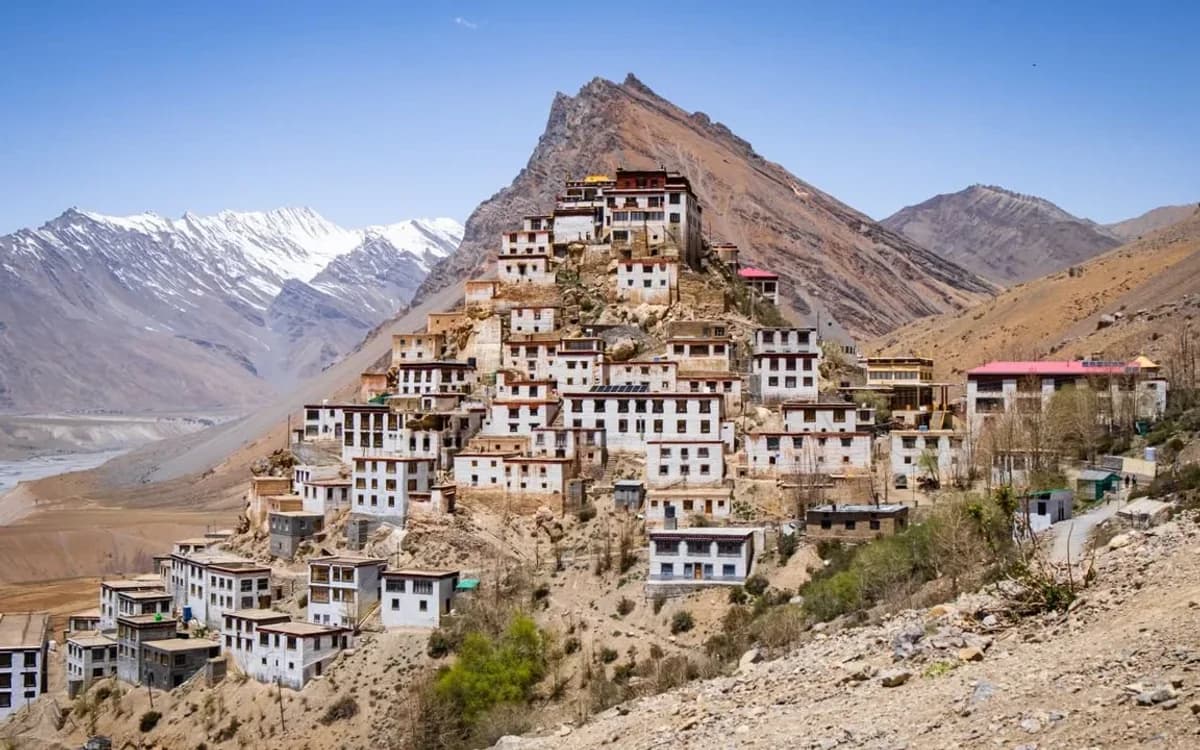
If this is your first Spiti trip, the approach through Shimla and Kinnaur is a sensible way to plan it. It gives you several stops on the way up rather than suddenly arriving at a very high sleeping altitude. Eleven days is a useful starting point, but it is still a road-heavy itinerary. If you have twelve or thirteen, take the extra days. If you have far fewer, our Himachal first-trip guide compares shorter trips such as Tirthan Valley and Bir Billing.
Why go from Shimla instead of trying a quick loop from Manali?
The Lahaul and Spiti district website describes the route from Shimla to Kaza via Kinnaur as approximately 412 km and about 20 hours of driving, excluding an overnight halt. That is why you need several overnight stops. It also describes the connection between Keylong and Kaza via Kunzum Pass as seasonally affected by snow.
Do not design an itinerary assuming the Manali side will be open on your dates. Check the district road-status page close to departure and ask local operators for current conditions. An “all-weather” approach via Kinnaur still does not mean there can never be a closure.
Days 1 and 2: Shimla and Sarahan
Arrive in Shimla and use the first night to rest and organize supplies. This is the time to check your vehicle, fuel plan, cash and offline maps, not the morning you set out for Kaza.
On day two, drive towards Sarahan. This is an overnight break rather than a sightseeing marathon. If time and local access allow, you can visit Bhimakali Temple. Try to arrive before dark and don't plan late-night driving just to save an hour the next day.
Day 3: Sangla and the Baspa Valley
Continue towards Sangla. The Baspa Valley is greener than the landscape you will meet later in Spiti. If road and weather conditions are good, you can consider a visit towards Chhitkul, but check how much road time you would be adding before committing.
This is an overnight stop worth enjoying. Go for a walk, look around the village and have dinner where you are staying. You do not need to force in every scenic point on the valley road.
Day 4: Kalpa and views of the Kinner Kailash range
Head to Kalpa, above Reckong Peo. The official district page puts Kalpa at about 2,759 metres, so you are noticeably higher than Shimla but not yet at the sleeping altitude of the highest Spiti villages.
If the sky is clear, the views across to the Kinner Kailash range are wonderful. It is an ideal place to leave a quiet afternoon for the mountains rather than another long transfer. Check where your accommodation is in relation to Reckong Peo, since the town and Kalpa are not the same place.
Day 5: Nako, then overnight in Tabo
Drive towards Nako, a high village with a small lake and Buddhist temples. The district lists it at around 3,663 metres. Stop gently, avoid rushing around and pay attention to how you feel at the higher altitude.
For this itinerary, continue on to Tabo to sleep rather than building a packed day at Nako. This is a long travel day, so local road advice and an early start matter. Confirm the drive with your operator before departure and change the plan if conditions are poor.
Tabo Monastery was founded in 996 CE and is known for its murals and sculpture. You can visit the next morning if you arrive too late for a proper look.
Day 6: Tabo, Dhankar and Kaza
Visit Tabo Monastery without rushing through it. Then continue towards Dhankar, the dramatic former seat of Spiti's rulers above the valley. The monastery and village sit in a striking location, but steep approaches and high altitude deserve a careful pace.
Reach Kaza by evening if roads permit. It is the main base for exploring this part of Spiti and the most practical place to settle for several nights.
Days 7 and 8: Stay in Kaza and explore nearby places
Give yourself a gentle first day around Kaza. You are now sleeping at high altitude, so the aim is to settle in, not prove how fast you can hike. A short look around town and plenty of rest is a good plan if you are feeling the elevation.
On a later day, visit Key Monastery and Kibber if road conditions and your health permit. Key is a beautiful working monastery; visit respectfully and check what sections are open to guests. A village outing can be rewarding without adding a long hike.
You may also be considering Langza, Hikkim and Komic. Their elevations make them a poor choice for a rushed first afternoon in Kaza. If you add them, give the drive its own time slot and do not assume every high village is safe to visit in bad weather.
Day 9: Keep a spare day in Kaza
This is the day many itineraries leave out. Keep it. Use it for a nearby visit you missed, or simply for resting. If the weather turns or a road is temporarily blocked, that spare time becomes even more valuable.
High-altitude travel needs some humility. The CDC's altitude guidance advises gradual acclimatization and explains how dangerous altitude illness can develop. Headache accompanied by nausea, dizziness or unusual fatigue should not be brushed off. If symptoms worsen, stop ascending and seek medical advice promptly. Serious symptoms require urgent descent and medical care.
Days 10 and 11: Return through Kinnaur to Shimla
Begin the return from Kaza towards Kalpa or Reckong Peo on day ten, subject to the day's road conditions. This is a major driving day. Stay overnight and continue to Shimla on day eleven. Do not make an onward flight connection that leaves you no room for delays.
If you have an extra day, break up the return journey. You will thank yourself for it, especially after so many hours in the vehicle.
What to sort out before leaving
Check road conditions with the district administration, confirm your overnight stops, and ask your accommodation about current access. Carry offline maps, cash, warm layers, water and any regular medication. Ask about permits and documentation relevant to your nationality and exact route rather than relying on an old internet checklist.
A reliable driver who knows mountain roads is a much better investment than an itinerary that looks spectacular but leaves no time for the unexpected. Spiti is incredible, but you will appreciate it much more if you let the trip take the time it needs.